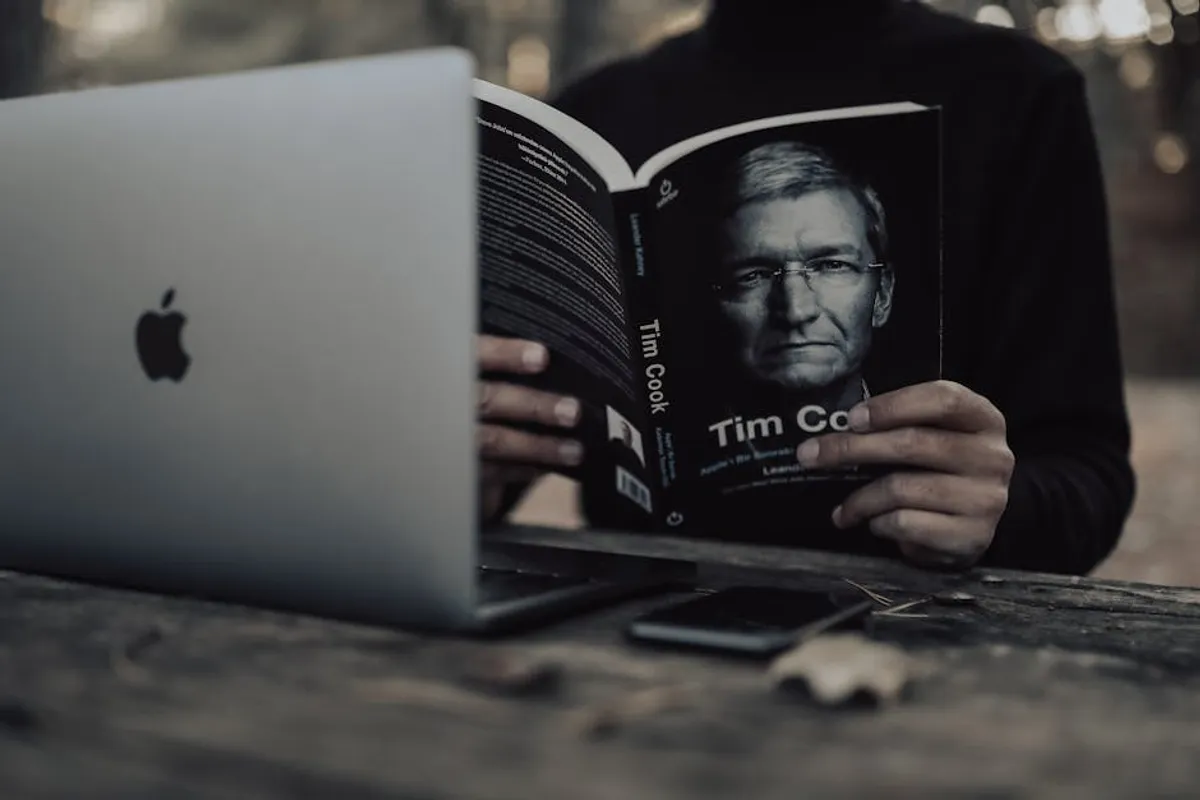
Navigating the vast landscape of author biographies can be daunting for new readers. The objective is to identify works that offer an accessible entry point into an author's life and literary context, without overwhelming the reader with overly academic prose, excessive detail, or specialized critical theory. The "best" biography for a beginner is one that balances factual accuracy with an engaging narrative, provides necessary historical and cultural context, and illuminates the author's creative process in a way that enhances appreciation for their work rather than requiring prior expertise. This selection focuses on biographies that serve as foundational texts, designed to introduce key figures in literature and their contributions in a clear, compelling manner, fostering a deeper engagement with their writing.
What to Look For in an Author Biography for Beginners
When selecting an author biography as a starting point, several characteristics distinguish an effective choice from a more advanced academic text. Prioritize biographies that adopt a clear, narrative-driven style, presenting the author's life story chronologically and cohesively. Look for works that integrate historical and social context seamlessly, explaining the broader world in which the author lived and wrote without assuming prior knowledge. An ideal beginner's biography focuses on the pivotal moments, relationships, and influences that shaped the author's work, often drawing direct connections between life events and literary output. The language should be approachable, avoiding dense critical jargon, and the scope should be broad enough to provide a comprehensive overview without getting lost in minute scholarly debates. Furthermore, consider biographies that offer a balanced perspective, acknowledging complexities without resorting to overly speculative interpretations, and those that encourage further reading of the author's primary works.
1. William Shakespeare
Biographies of William Shakespeare for beginners typically focus on his known life events within Elizabethan England, his theatrical career in London, and the enduring themes present in his plays. These accounts prioritize a clear narrative of his progression from Stratford-upon-Avon to London's Globe Theatre, exploring the societal and political landscape that influenced his writing. They often connect his personal circumstances and the historical context directly to the creation and reception of his major works, making his prolific output more comprehensible for those new to Shakespearean studies.
Best for: Readers seeking a foundational understanding of the playwright's life and the historical context of his literary output, without extensive prior literary knowledge or deep textual analysis.
Pros: Provides a coherent narrative of his known life, contextualizing his plays within his era; often includes accessible summaries of key works and their historical significance; illuminates the development of English drama.
Cons: Relies heavily on historical inference and limited primary sources, which can lead to some speculative interpretation; may oversimplify complex historical or literary theories for clarity; less emphasis on advanced critical interpretation.
Verdict: These biographies serve as an excellent entry point, offering a broad-strokes portrait that contextualizes his literary output, making the playwright and his works less intimidating for those new to Shakespeare studies.
2. Jane Austen
Beginner-friendly biographies of Jane Austen concentrate on her relatively quiet life in rural England, her family dynamics, and the precise social observations that define her novels. These works emphasize the constraints and opportunities for women in the late 18th and early 19th centuries, directly linking her personal experiences and observations to the themes of marriage, social class, and reputation prevalent in her fiction. The focus is on illustrating how her limited sphere of experience yielded universal insights into human nature and societal norms.
Best for: Readers interested in the social history of Regency England and how a writer's personal observations can be transformed into enduring literary commentary on human relationships.
Pros: Clearly illustrates the social and economic realities that shaped her characters and plots; provides insight into her creative process despite a lack of extensive personal papers; highlights the subtle wit and irony in her writing.
Cons: Can sometimes struggle with limited biographical material, leading to a reliance on interpretation of her letters and novels; may not delve deeply into the nuances of her literary technique; can occasionally feel constrained by the quiet nature of her life.
Verdict: These biographies effectively demystify Austen, presenting her not just as a historical figure but as a keen observer whose work remains relevant due to its incisive social commentary.
3. Charles Dickens
Biographies of Charles Dickens for beginners often highlight his dramatic personal journey from poverty to literary fame, emphasizing how his early experiences of social injustice and hardship profoundly shaped his humanitarian concerns and the vivid characters in his novels. These accounts typically trace his rise as a journalist and novelist, exploring his engagement with social reform and his immense popularity in Victorian England. They focus on the direct connection between his life story and his powerful critiques of industrial society.
Best for: Readers interested in the intersection of literature and social change, particularly those who appreciate how personal struggle can fuel artistic expression and advocate for the disadvantaged.
Pros: Provides a compelling narrative of overcoming adversity; clearly links his experiences to the social issues addressed in his novels; offers a vivid portrayal of Victorian London and its complexities; explains his enduring cultural impact.
Cons: The sheer volume of his work and personal life can be challenging to condense without oversimplification; some aspects of his personal life (e.g., his separation from Catherine) can be presented with varying degrees of nuance; less focus on complex literary analysis.
Verdict: These biographies offer a robust introduction to Dickens, portraying him as a dynamic figure whose life and literature are inextricably linked to the social conscience of his era, making his extensive bibliography more approachable.
4. Virginia Woolf
Beginner biographies of Virginia Woolf typically explore her intellectual development within the Bloomsbury Group, her innovative approach to narrative structure, and her struggles with mental health. These works often frame her life within the context of early 20th-century modernism, highlighting her pioneering use of stream of consciousness and her contributions to feminist thought. The emphasis is on understanding how her personal experiences, intellectual circle, and psychological landscape informed her groundbreaking literary experiments.
Best for: Readers interested in literary modernism, feminist perspectives, and the psychological depth of early 20th-century literature, who seek to understand the author's complex inner world and its reflection in her art.
Pros: Illuminates the intellectual and social milieu of the Bloomsbury Group; provides insight into her innovative narrative techniques; addresses her mental health struggles with sensitivity, connecting them to her creative output; highlights her influence on feminist literary criticism.
Cons: Her complex psychological state and experimental writing style can be challenging for some beginners to fully grasp; the intellectual intensity of her circle might require some contextual explanation; can sometimes be speculative regarding her personal relationships.
Verdict: These biographies offer an engaging pathway into Woolf's world, presenting her as a pivotal modernist figure whose personal and intellectual life profoundly shaped her revolutionary approach to literature.
5. Ernest Hemingway
Biographies of Ernest Hemingway for beginners usually focus on his adventurous life, his distinctive minimalist prose style, and his pursuit of authentic experience across various continents. These accounts trace his service in World War I, his expatriate years in Paris, his big-game hunting in Africa, and his deep-sea fishing in Cuba, showing how these experiences directly fueled his iconic short stories and novels. The emphasis is on understanding the man behind the myth and how his "code hero" philosophy developed from his lived experiences.
Best for: Readers drawn to themes of masculinity, war, nature, and the pursuit of intense experience, who want to understand the direct relationship between an author's life and their literary output.
Pros: Provides a compelling narrative of a life lived intensely; clearly illustrates the connection between his adventures and his literary themes; explains the development of his influential prose style; offers insight into the "Lost Generation" literary movement.
Cons: The myth surrounding Hemingway can sometimes overshadow nuanced biographical detail; some aspects of his personal relationships can be presented controversially; less emphasis on detailed literary criticism of his works.
Verdict: These biographies effectively introduce Hemingway as an author whose life was as dramatic as his fiction, making his sparse yet powerful writing more accessible by grounding it in his extraordinary personal journey.
6. Agatha Christie
Beginner biographies of Agatha Christie typically emphasize her prolific output as the "Queen of Crime," her unique ability to craft intricate plots and surprising twists, and her own mysterious disappearance in 1926. These accounts often explore her early life, her experiences as a nurse during World War I, and her travels, connecting these elements to the development of her iconic detectives, Hercule Poirot and Miss Marple. The focus is on understanding the mechanisms behind her enduring popularity and her mastery of the detective genre.
Best for: Readers who appreciate classic detective fiction and wish to understand the life and creative process of one of the genre's most successful and enduring authors, without needing deep literary theory.
Pros: Offers a fascinating look into the mind behind complex mysteries; connects her life experiences to her fictional settings and character types; explains her enduring appeal and influence on crime writing; often includes details about her writing methods.
Cons: Her personal life, while interesting, can sometimes be overshadowed by the focus on her literary achievements; the analysis of her literary technique may be less detailed than in academic studies; some biographers speculate on her disappearance without definitive proof.
Verdict: These biographies serve as an engaging introduction to Christie, revealing how her quiet life and keen observational skills allowed her to construct some of the most ingenious and beloved mysteries in literary history.
7. George Orwell
Biographies of George Orwell for beginners often highlight his commitment to social justice, his experiences with poverty and totalitarianism, and his incisive critiques of political systems. These accounts typically trace his service in the Indian Imperial Police in Burma, his time living among the working class in Paris and London, and his participation in the Spanish Civil War, demonstrating how these formative experiences shaped his dystopian novels and influential essays. The focus is on his unwavering moral compass and his profound impact on political discourse.
Best for: Readers interested in political literature, social commentary, and the power of language to shape thought, who want to understand the motivations behind an author's commitment to truth and justice.
Pros: Provides a clear narrative of his evolution from colonial policeman to socialist critic; directly links his life experiences to the themes of totalitarianism and social inequality in his works; explains the historical context of his major political writings; clarifies his enduring relevance.
Cons: His political convictions can sometimes be presented with less nuance than in specialized studies; the complexities of early 20th-century political movements might require some additional context for beginners; less emphasis on purely literary analysis.
Verdict: These biographies offer a compelling introduction to Orwell, presenting him as a fearless intellectual whose life was a testament to his principles, making his powerful critiques of society and government more accessible and relevant.
8. J.R.R. Tolkien
Beginner biographies of J.R.R. Tolkien typically explore his academic career as a philologist, his experiences in World War I, and his profound love for language and mythology, which collectively inspired the creation of Middle-earth. These accounts often detail his friendships within the Inklings literary group, his Catholic faith, and the meticulous world-building process behind The Hobbit and The Lord of the Rings. The emphasis is on understanding how his scholarly pursuits and personal beliefs laid the foundation for his groundbreaking fantasy epics.
Best for: Readers fascinated by the origins of fantasy literature, the interplay of language and mythology, and how academic rigor can be channeled into imaginative world-building.
Pros: Clearly illustrates the deep academic and linguistic roots of his fantasy worlds; connects his wartime experiences and personal faith to his literary themes; explains the collaborative environment of the Inklings; offers insight into his meticulous creative process.
Cons: The linguistic and mythological depth can sometimes be overwhelming for readers without a background in these areas; some biographies may focus heavily on his academic life, which might be less engaging for pure fantasy readers; less detailed analysis of the literary impact of his works.
Verdict: These biographies provide an excellent gateway into Tolkien's world, revealing how his scholarly passion and personal history converged to create one of the most influential and beloved fantasy sagas of all time.
9. Mark Twain
Biographies of Mark Twain for beginners often highlight his formative years along the Mississippi River, his diverse careers as a steamboat pilot, prospector, and journalist, and his distinctive voice as America's quintessential humorist and social commentator. These accounts trace his transformation from Samuel Clemens to Mark Twain, exploring how his experiences in the American West and his keen observations of society fueled his iconic novels like The Adventures of Tom Sawyer and Adventures of Huckleberry Finn. The focus is on his journey from regional storyteller to international literary figure.
Best for: Readers interested in American literature, humor, and social critique, who want to understand how an author's unique life experiences can shape a distinctive and enduring literary voice.
Pros: Presents a vibrant narrative of a multifaceted life; clearly connects his varied experiences to the settings, characters, and themes in his works; explains his evolution as a humorist and satirist; highlights his cultural significance as an American icon.
Cons: The complexity of his later, more pessimistic works might be less explored for a beginner audience; some aspects of his financial struggles and personal tragedies can be presented with varying emphasis; less focus on academic literary theory.
Verdict: These biographies offer an engaging introduction to Twain, portraying him as a dynamic figure whose life embodied the spirit of 19th-century America, making his classic works more accessible by revealing their biographical foundations.
10. Emily Dickinson
Beginner biographies of Emily Dickinson typically focus on her reclusive life in Amherst, Massachusetts, her unconventional poetic style, and the posthumous discovery of her extraordinary body of work. These accounts often explore her family relationships, her intellectual pursuits, and the societal constraints placed upon women in the 19th century, connecting these elements to her unique voice and thematic concerns of death, nature, and immortality. The emphasis is on understanding how her secluded existence fostered a profound inner world expressed through revolutionary verse.
Best for: Readers interested in American poetry, the lives of unconventional literary figures, and the exploration of profound philosophical themes through concise, innovative language.
Pros: Provides insight into the life of a truly unique and enigmatic poet; clearly illustrates how her isolation contributed to her distinctive voice; explains the challenges of interpreting her unconventional punctuation and capitalization; highlights the posthumous recognition of her genius.
Cons: The limited external events of her life can make for a less action-driven narrative; interpretation of her poems and personal letters often involves scholarly debate, which can be simplified for beginners; less emphasis on detailed literary analysis of her poetic techniques.
Verdict: These biographies offer a sensitive and illuminating introduction to Dickinson, revealing how her intensely private life fueled a poetic output that defied the conventions of her time and continues to captivate readers.
11. F. Scott Fitzgerald
Biographies of F. Scott Fitzgerald for beginners often chronicle his meteoric rise to fame, his turbulent marriage to Zelda Sayre, and his embodiment of the Jazz Age, followed by his tragic decline. These accounts typically trace his early literary ambitions, his life in New York and on the French Riviera, and his struggles with alcoholism and financial instability, showing how these experiences directly influenced his exploration of the American Dream and its disillusionment. The focus is on the glamorous yet ultimately fragile world he inhabited and depicted.
Best for: Readers captivated by the allure and tragedy of the Jazz Age, interested in the themes of wealth, ambition, and the pursuit of happiness, and how an author's life can mirror the societal anxieties of their era.
Pros: Presents a compelling and often poignant narrative of a life intertwined with a significant cultural period; clearly connects his personal experiences to the themes of his novels; illuminates the social dynamics of the Jazz Age; explains his enduring literary legacy.
Cons: The focus on his personal struggles can sometimes overshadow the literary analysis of his craft; the complexities of his relationship with Zelda can be presented with varying degrees of sympathy; less emphasis on detailed critical theory.
Verdict: These biographies offer a vibrant and often melancholic introduction to Fitzgerald, portraying him as the quintessential voice of his generation, whose life and work perfectly captured the glittering surface and underlying despair of the Roaring Twenties.
12. Gabriel García Márquez
Beginner biographies of Gabriel García Márquez typically explore his upbringing in Aracataca, Colombia, his career as a journalist, and his pioneering role in developing magical realism. These accounts often detail the influence of his grandmother's storytelling, his political engagement, and his profound connection to Latin American history and culture, showing how these elements coalesced into his iconic novels like One Hundred Years of Solitude. The focus is on understanding the cultural and literary forces that shaped his unique narrative style and his global impact.
Best for: Readers interested in Latin American literature, magical realism, and the intersection of history, myth, and storytelling, who want to understand how cultural heritage can inspire groundbreaking literary forms.
Pros: Provides a rich cultural context for his work, explaining the origins of magical realism; clearly connects his personal history and political views to his literary themes; illuminates the vibrant literary scene of the Latin American Boom; explains his global influence.
Cons: The complexity of Latin American history and political movements might require some contextual explanation for beginners; the philosophical depth of magical realism can sometimes be simplified; less emphasis on detailed structural analysis of his novels.
Verdict: These biographies offer a captivating introduction to García Márquez, revealing how his life in Colombia and his journalistic eye transformed local folklore and political realities into universal, fantastical narratives that redefined modern literature.
Choosing the Right Author Biography for Your Needs
Selecting the most suitable author biography for a beginner involves aligning the biography's approach with your specific interests and learning style. If your primary goal is to understand the historical context of a literary period, opt for biographies that excel in rich contextual detail and social commentary. If you are more interested in the psychological motivations behind an author's work, seek biographies that delve into personal struggles and intellectual development. Consider the author's primary genre: a beginner in fantasy literature might prefer a biography that emphasizes world-building and mythological influences, while a reader of social realism might benefit from an account focusing on an author's engagement with societal issues. Assess whether you prefer a straightforward chronological narrative or one that integrates more thematic analysis. The "right" biography will not only introduce you to the author but also deepen your appreciation for their work and encourage further literary exploration, providing a solid foundation for more advanced studies if desired.
Frequently Asked Questions
What makes an author biography "beginner-friendly"?
A beginner-friendly author biography prioritizes clear, accessible language, a narrative-driven structure, and a focus on essential life events and their connection to the author's work. It provides necessary historical and cultural context without assuming prior knowledge, avoids overly academic jargon, and aims to engage rather than overwhelm the reader.
Should I read the author's works before or after their biography?
There is no single rule. Reading some of the author's key works beforehand can provide a foundation, allowing the biography to enrich your understanding of their creative process and influences. Conversely, reading a biography first can contextualize the works, making them more approachable and revealing deeper layers of meaning. For beginners, reading a biography first can often serve as an excellent entry point