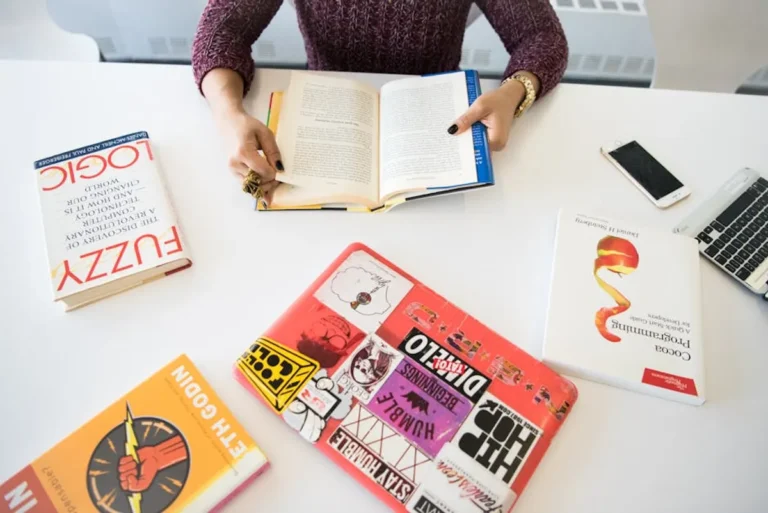
Navigating the vast landscape of parenting advice, educational theories, and media narratives requires a robust capacity for critical reading. For SEO professionals, marketers, and content creators, understanding how parents discern credible information is not merely an academic exercise; it directly impacts content strategy, audience engagement, and trust building. This curated selection of books offers parents the tools to evaluate claims, identify biases, and make informed decisions, while simultaneously providing insights for professionals seeking to connect with a discerning audience. These resources move beyond superficial advice, offering frameworks for deeper analysis that are essential for both personal growth and effective communication.
What to Look For in Critical Reading Resources for Parents
When selecting resources to enhance critical reading skills, especially in a parenting context, focus on materials that offer concrete methodologies rather than just theoretical concepts. Prioritize books that delineate logical fallacies, explain cognitive biases, and provide practical frameworks for evaluating evidence, statistical claims, and narrative structures. Look for content that addresses media literacy, as parents increasingly navigate digital information. The most effective resources will also offer guidance on how to model and teach these skills to children, fostering a household culture of inquiry. For professionals, these elements translate into understanding the audience's internal filters and the types of content that build genuine authority and long-term engagement.
1. Factfulness: Ten Reasons We're Wrong About the World – and Why Things Are Better Than You Think by Hans Rosling
Rosling’s work challenges ingrained misconceptions about global trends by presenting data-driven insights. It systematically dismantles common cognitive biases, such as the negativity instinct and the fear instinct, which often distort perceptions of reality. For parents, this book offers a powerful antidote to alarmist headlines and anecdotal parenting advice, encouraging a grounded, evidence-based view of the world and their children's place within it. It fosters a mindset where data literacy is paramount, helping to distinguish between sensationalism and verifiable facts.
Best for: Overcoming cognitive biases and developing a data-driven worldview to evaluate parenting trends and global issues.
Pros:
- Provides a clear, accessible framework for understanding and correcting common human biases.
- Utilizes compelling data visualization and storytelling to make complex statistics understandable and memorable.
Cons:
- Focuses broadly on global trends, requiring parents to actively translate principles to specific parenting dilemmas.
- Some readers may find the optimistic tone occasionally downplays persistent challenges.
Verdict: An indispensable primer for anyone seeking to cut through misinformation, offering a foundational toolkit for evidence-based decision-making applicable to both personal and professional contexts.
2. The Demon-Haunted World: Science as a Candle in the Dark by Carl Sagan
Sagan’s seminal work advocates for scientific skepticism and critical thinking as essential tools against pseudoscience and irrationality. It outlines a "baloney detection kit" – a set of principles for evaluating claims, demanding evidence, and understanding the scientific method. For parents, this translates into a robust defense against unproven health advice, educational fads, and sensationalist media. It empowers them to question authority constructively and instill a similar spirit of inquiry in their children, fostering intellectual rigor from an early age.
Best for: Cultivating scientific skepticism and applying logical reasoning to distinguish fact from fiction in all areas, including parenting advice.
Pros:
- Offers a comprehensive "baloney detection kit" with practical steps for evaluating claims and identifying logical fallacies.
- Emphasizes the societal and personal importance of scientific literacy and rational thought.
Cons:
- The academic density and philosophical scope can be challenging for readers seeking quick, actionable parenting tips.
- Examples are often historical or scientific, requiring parents to actively adapt the principles to modern contexts.
Verdict: A profound and enduring argument for rational thought, providing a deep philosophical and practical foundation for critical evaluation that transcends specific topics.
3. Thinking, Fast and Slow by Daniel Kahneman
Kahneman, a Nobel laureate, dissects the two systems of thought that govern human decision-making: System 1 (fast, intuitive, emotional) and System 2 (slow, deliberate, logical). He exposes a multitude of cognitive biases inherent in System 1 thinking, demonstrating how they lead to predictable errors in judgment. For parents, understanding these biases is crucial for recognizing why certain parenting advice might be appealing despite lacking evidence, or why emotional responses can override rational choices. It provides a framework for self-awareness and more deliberate decision-making.
Best for: Understanding the psychological mechanisms behind decision-making and cognitive biases that influence parenting choices and information consumption.
Pros:
- Provides a detailed, evidence-based exploration of cognitive biases and their impact on daily decisions.
- Offers a robust framework for understanding human irrationality and improving personal judgment.
Cons:
- The academic and research-heavy presentation can be dense and require focused attention.
- Direct applications to parenting require significant interpretation and effort from the reader.
Verdict: Essential reading for anyone serious about understanding the architecture of human thought, offering profound insights into why people believe what they do and how to mitigate common errors.
4. The Art of Thinking Clearly by Rolf Dobelli
Dobelli's book distills 99 common cognitive biases and logical fallacies into concise, digestible chapters. Each entry presents a specific error in thinking, explains its mechanism, and offers a brief anecdote or example. This format makes complex psychological concepts highly accessible. For parents, it serves as a practical handbook for quickly identifying flawed arguments in parenting articles, news reports, or social media discussions. It equips them with the ability to spot common pitfalls in reasoning, both in themselves and in others.
Best for: Quickly identifying and understanding a wide range of cognitive biases and logical fallacies relevant to daily information evaluation.
Pros:
- Presents complex psychological concepts in short, highly digestible chapters, making it accessible for busy parents.
- Offers numerous practical examples that illustrate common thinking errors in everyday situations.
Cons:
- The brevity of each chapter means less depth on any single bias compared to more academic texts.
- The focus is on identification, not necessarily on comprehensive strategies for overcoming biases.
Verdict: An excellent, practical reference for sharpening one's ability to recognize flawed reasoning and improve decision-making efficiency.
5. Amusing Ourselves to Death: Public Discourse in the Age of Show Business by Neil Postman
Postman’s prescient analysis critiques the impact of media, particularly television, on public discourse and critical thought. He argues that the form of media dictates the content, transforming serious subjects into entertainment and eroding the capacity for sustained attention and complex reasoning. For parents, this book is vital for understanding the pervasive influence of digital media on their children's cognitive development and their own information consumption habits. It encourages a critical stance toward all forms of media, fostering media literacy and an appreciation for depth over spectacle.
Best for: Developing media literacy and understanding how different communication formats influence the reception and evaluation of information.
Pros:
- Offers a foundational critique of media's influence on culture and cognition, highly relevant in the digital age.
- Encourages a deep, structural analysis of how information is presented and consumed.
Cons:
- Written before the internet era, requiring readers to extrapolate its arguments to modern digital platforms.
- The academic style and theoretical focus may not appeal to those seeking immediate practical tips.
Verdict: A timeless work that provides essential context for understanding the challenges of critical reading in a media-saturated environment, urging a re-evaluation of how we consume information.
6. Raising Critical Thinkers: A Parent's Guide to Growing Wise Kids in a Screen-Saturated World by Julie Bogart
Bogart’s guide directly addresses parents, offering actionable strategies to cultivate critical thinking skills in children from an early age. It moves beyond rote memorization, focusing on teaching children how to ask probing questions, evaluate sources, and form independent judgments. The book provides specific exercises and discussion prompts that parents can integrate into daily life, especially concerning media consumption and online information. It bridges the gap between theoretical critical thinking and practical application within a family setting.
Best for: Parents seeking direct, practical methods and exercises to teach critical thinking and media literacy to their children.
Pros:
- Provides concrete, age-appropriate strategies and conversation starters for teaching critical thinking.
- Directly addresses the challenges of raising children in a digital, information-rich environment.
Cons:
- May feel less theoretical for parents seeking a deeper dive into the philosophy of critical thought.
- Relies on the parent's consistent effort to implement the suggested activities and discussions.
Verdict: An outstanding, hands-on resource for parents committed to actively fostering intellectual independence and discernment in their children.
7. The Informed Parent: A Science-Based Resource for Your Child's First Four Years by Tara Haelle
Haelle, a science journalist, meticulously reviews common parenting questions and advice for infants and toddlers, grounding her answers in scientific evidence. She dissects research studies, explains methodologies, and highlights the limitations of current knowledge, empowering parents to evaluate health and developmental claims independently. This book serves as a masterclass in applying critical reading to a highly personal and often emotionally charged domain. It teaches parents to look beyond headlines and marketing, to the actual data and its interpretation.
Best for: Applying critical reading and scientific literacy specifically to evidence-based parenting decisions, particularly for early childhood.
Pros:
- Thoroughly reviews and debunks common parenting myths using evidence-based research.
- Teaches parents how to interpret scientific studies and understand the nuances of medical recommendations.
Cons:
- The scope is limited to the first four years, requiring other resources for later developmental stages.
- The detailed scientific explanations may be overwhelming for parents seeking simpler answers.
Verdict: An invaluable resource for new parents, modeling rigorous critical analysis of health information and setting a high standard for informed decision-making.
8. Mindset: The New Psychology of Success by Carol S. Dweck
Dweck's research distinguishes between fixed and growth mindsets, demonstrating how these core beliefs about intelligence and ability profoundly impact learning, resilience, and success. While not explicitly about critical reading, a growth mindset is foundational for effective critical engagement with information: it encourages learning from mistakes, seeking challenges, and viewing effort as a path to mastery. For parents, understanding and fostering a growth mindset in themselves and their children is critical for approaching new information with an open, analytical, and persistent attitude, rather than shutting down in the face of complexity or challenge.
Best for: Cultivating the psychological openness and resilience necessary to engage deeply and persistently with complex or challenging information.
Pros:
- Provides a transformative framework for understanding learning and achievement, applicable to all ages.
- Encourages a proactive approach to challenges and a belief in continuous intellectual development.
Cons:
- The connection to critical reading is indirect, requiring parents to draw their own inferences for application.
- Focuses more on psychological disposition than on specific analytical techniques.
Verdict: A powerful book for fostering the internal conditions necessary for sustained critical inquiry and intellectual growth in both parents and children.
9. Glow Kids: How Screen Addiction Is Hijacking Our Kids' Brains – and How to Break the Trance by Nicholas Kardaras
Kardaras, a clinical psychologist, presents a critical examination of the impact of screen technology on children's developing brains. He synthesizes neuroscience research, clinical observations, and case studies to argue for the significant risks associated with excessive screen time, particularly in early childhood. For parents, this book exemplifies critical reading by challenging a pervasive cultural norm (ubiquitous screens) with scientific evidence and expert opinion. It equips them to critically evaluate the marketing claims of tech companies and popular narratives surrounding digital engagement, making informed choices about their children's screen exposure.
Best for: Applying critical analysis to a specific, high-stakes parenting issue: the neurological and developmental impacts of screen technology.
Pros:
- Presents a compelling, evidence-based argument against excessive screen time, drawing on neuroscience.
- Challenges widely accepted cultural norms with rigorous research and clinical insights.
Cons:
- The strong stance and dire warnings may be perceived as alarmist by some readers.
- Focuses exclusively on screen use, limiting its scope to a single critical parenting issue.
Verdict: A provocative yet essential read for parents seeking to critically evaluate the digital environment their children inhabit, grounded in scientific research.
10. Free-Range Kids: How to Raise Safe, Self-Reliant Children (Without Going Nuts with Worry) by Lenore Skenazy
Skenazy's book challenges the prevailing culture of overparenting and fear-mongering by advocating for greater childhood independence. She uses anecdotes, statistics, and logical arguments to debunk common parental anxieties about abduction, academic pressure, and everyday risks. For parents, this book is an exercise in critical reading applied to societal narratives and media portrayals of childhood. It encourages them to question exaggerated dangers and evaluate actual risks versus perceived ones, fostering a more balanced and evidence-based approach to child-rearing that prioritizes resilience and autonomy.
Best for: Critically evaluating societal anxieties and media narratives surrounding childhood safety and independence, promoting rational risk assessment.
Pros:
- Challenges pervasive cultural norms and parental anxieties with a blend of humor, logic, and data.
- Encourages a more balanced perspective on childhood risks and fosters greater child independence.
Cons:
- Some examples and anecdotes may feel culturally specific to the American context.
- Primarily focuses on societal critiques rather than detailed critical thinking methodologies.
Verdict: A refreshing and necessary counter-narrative that empowers parents to critically assess fear-based parenting trends and embrace a more rational approach to child-rearing.
11. The Gardener and the Carpenter: What the New Science of Child Development Tells Us About the Relationship Between Parents and Children by Alison Gopnik
Gopnik, a developmental psychologist, contrasts two dominant parenting philosophies: the "carpenter" model (shaping children into specific adults) and the "gardener" model (providing a rich environment for children to flourish organically). She draws on cutting-edge research in child development to argue for the latter, emphasizing children's inherent curiosity, adaptability, and capacity for learning through exploration. For parents, this book requires critical evaluation of their own deeply held beliefs about parenting goals and methods. It encourages a shift from prescriptive advice to an understanding of developmental science, fostering a more nuanced, evidence-informed approach to supporting children's growth.
Best for: Critically examining fundamental parenting paradigms through the lens of developmental psychology and scientific research.
Pros:
- Provides a research-backed critique of common parenting approaches, advocating for a more child-centric perspective.