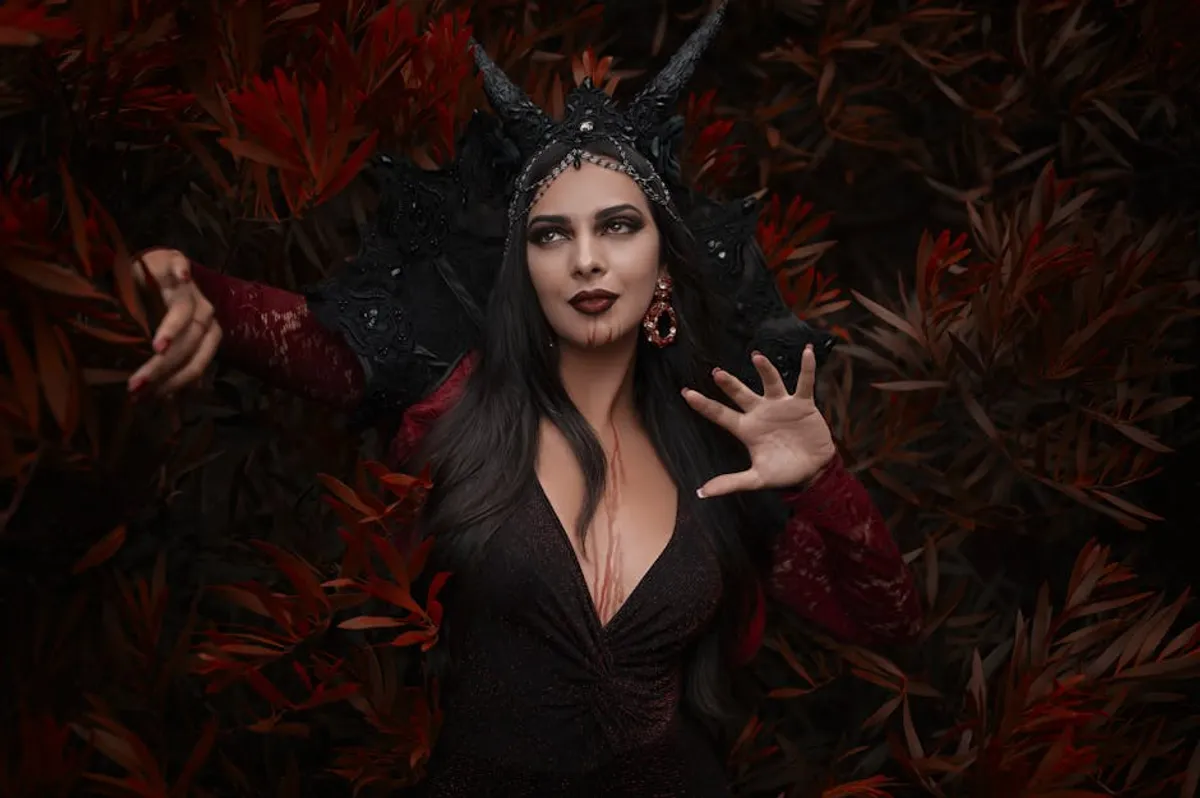
Bram Stoker’s Dracula endures not just as a foundational text in horror literature, but as a rich source of character archetypes and thematic depth that continues to inform and inspire. For writers, literary analysts, content creators, or anyone seeking to understand the novel’s lasting commercial and cultural impact, dissecting its characters offers profound insights into narrative structure, psychological complexity, and societal anxieties. This guide moves beyond plot summaries to explore the core motivations, symbolic weight, and enduring takeaways from Dracula’s central figures, providing a framework for deeper engagement with the text and its many adaptations.
Understanding Bram Stoker's Dracula Character Archetypes
Each character in Dracula serves a distinct purpose, contributing to the novel's intricate tapestry of fear, desire, and moral conflict. Their interactions drive the narrative, but also establish archetypes that resonate far beyond the Victorian era.
Count Dracula: The Archetypal Vampire
Dracula himself is more than a monster; he is a force of nature, an ancient aristocrat embodying aristocratic decay, foreign threat, and transgressive sexuality. His motivations are complex: a desire for new bloodlines, a longing for conquest, and a predatory instinct honed over centuries. He represents the ultimate 'Other,' a figure of both repulsion and dark allure. His ability to charm and manipulate, coupled with his raw, ancient power, makes him a potent symbol of unchecked evil and the seductive nature of forbidden desires. Understanding Dracula requires acknowledging his multifaceted role as a literal predator, a symbolic invader, and a psychological mirror reflecting Victorian fears.
Jonathan Harker: The Naive Protagonist
Jonathan Harker serves as the reader's initial entry point into Dracula’s world. His journey from an optimistic, rational solicitor to a traumatized survivor underscores the novel's theme of the supernatural overwhelming modern reason. Harker's meticulous diary entries provide a first-hand account of Dracula’s power and the psychological toll of encountering true evil. He embodies the vulnerability of the innocent and the limitations of conventional understanding when confronted with the unknown. His transformation from a confident professional to a man scarred by horror highlights the profound disruption Dracula brings to the established order.
Mina Murray Harker: The Intellectual Heroine
Mina stands as the novel's moral and intellectual center. Unlike many Victorian heroines, she is educated, intelligent, and possesses a keen analytical mind, evident in her transcription and organization of the various documents that form the novel. Her empathy and spiritual purity make her a prime target for Dracula, but also equip her to resist his influence and actively participate in his downfall. Mina represents female agency within the constraints of her era, demonstrating resilience, resourcefulness, and a profound capacity for love and sacrifice. She is not merely a damsel in distress, but a vital strategist and the emotional anchor of the vampire hunters.
Dr. Abraham Van Helsing: The Expert Adversary
Van Helsing is the indispensable polymath, a Dutch doctor, philosopher, and scientist who possesses an encyclopedic knowledge of folklore, medicine, and the supernatural. He embodies the fusion of rational inquiry and ancient wisdom necessary to combat Dracula. His eccentricities and broken English mask a sharp mind and unwavering resolve. Van Helsing’s role is to bridge the gap between the known and unknown, guiding the younger, more rationalistic characters to accept the existence of evil beyond their scientific understanding. He is the strategist, the teacher, and the spiritual warrior against the forces of darkness.
Lucy Westenra: The Innocent Victim
Lucy represents the tragic vulnerability of Victorian womanhood and the devastating consequences of Dracula’s invasion. Her transformation from a beautiful, pure woman into a vampiric temptress symbolizes the corruption of innocence and the subversion of societal norms. Lucy’s fate underscores the stakes of the conflict: Dracula’s threat extends beyond individual lives to the very moral fabric of society. Her character arc highlights themes of purity, temptation, and the horror of a beloved figure becoming a monstrous 'Other.'
R.M. Renfield: The Mad Disciple
Renfield, an inmate in Dr. Seward’s asylum, serves as a tragic and disturbing mirror to Dracula’s influence. His obsession with consuming life (flies, spiders, birds) to absorb their vitality parallels Dracula’s bloodlust. Renfield’s madness, driven by his subservience to Dracula, provides a chilling insight into the vampire’s psychological power and the insidious nature of obsession. He is a pawn, a victim, and a warning, demonstrating how Dracula can corrupt and control even from a distance, blurring the lines between sanity and monstrosity.
Pro Tip: When analyzing Dracula's characters for adaptations or content, avoid reducing them to simple heroes or villains. Their complexity, internal conflicts, and the era's societal pressures are key to their lasting impact and offer richer interpretative possibilities. Consider how their flaws and strengths contribute to the narrative's tension and thematic depth.
Key Thematic Takeaways from Dracula's Characters
The characters in Dracula are not static figures; they are conduits for Stoker’s exploration of profound social and psychological themes. Understanding these connections enhances any commercial or academic engagement with the text.
- The Clash of Modernity and Ancient Evil: Jonathan Harker’s rational, modern worldview is shattered by Dracula’s ancient, supernatural power, highlighting the limitations of science against forces beyond comprehension.
- Gender Roles and Female Agency: Mina Harker’s intelligence and active role challenge conventional Victorian expectations for women, contrasting sharply with Lucy’s tragic passivity and subsequent monstrous transformation.
- Fear of the Other and Xenophobia: Dracula, as a foreign aristocrat invading England, taps into deep-seated Victorian anxieties about immigration, moral decay, and the perceived threat of external influences.
- The Nature of Good vs. Evil: The clear delineation between the forces of good (Van Helsing, Mina, Harker) and evil (Dracula) allows for a straightforward moral struggle, yet the seductive power of evil is consistently present.
- Obsession, Madness, and Control: Renfield's descent into madness and his literal and psychological control by Dracula illustrate the destructive power of unchecked desires and external manipulation.
Enduring Influence and Commercial Relevance
The archetypes and themes established by Dracula’s characters have permeated popular culture, making them highly commercially relevant. From countless film adaptations and television series to video games, graphic novels, and even marketing campaigns leveraging gothic aesthetics, the core elements remain recognizable and potent. Understanding these characters deeply allows for more nuanced adaptations, richer critical analysis, and more compelling content creation that taps into the enduring fascination with the vampire mythos. Their psychological depth and symbolic power provide a timeless framework for exploring human fears, desires, and the eternal struggle between light and shadow.
Applying Character Insights
To effectively leverage the insights from Dracula’s characters, consider their individual contributions to the overall narrative and thematic landscape. For content creators, this means recognizing how elements like Dracula’s aristocratic menace or Mina’s intellectual fortitude can be adapted or referenced. For analysts, it involves tracing how these characters embody societal anxieties or challenge contemporary norms. The novel’s enduring power lies in its ability to offer complex psychological portraits wrapped in a thrilling horror narrative, ensuring its continued relevance across various media and academic disciplines.
Frequently Asked Questions
Who are the primary antagonists in Dracula?
The primary antagonist is Count Dracula himself, a powerful ancient vampire seeking to spread his influence. His three vampiric brides also serve as secondary antagonists, embodying seductive danger.
What makes Mina Harker a pivotal character?
Mina Harker is pivotal due to her intelligence, analytical skills, and emotional resilience. She actively contributes to the vampire hunters' strategy by organizing information and her pure spirit makes her both a target and a powerful, albeit unwilling, conduit to Dracula.
How does Van Helsing contribute to the novel's themes?
Van Helsing contributes by representing the necessary blend of scientific knowledge, spiritual faith, and ancient folklore required to combat supernatural evil. He embodies wisdom, experience, and the courage to confront forces beyond conventional understanding, thus reinforcing themes of good versus evil and the limits of modern rationality.
Why does Dracula remain a culturally significant work?
Dracula remains significant because its characters and themes tap into universal human fears—death, the unknown, foreign invasion, moral corruption, and the subversion of societal order. Its archetypal vampire and enduring narrative structure have profoundly influenced horror, fantasy, and popular culture globally.