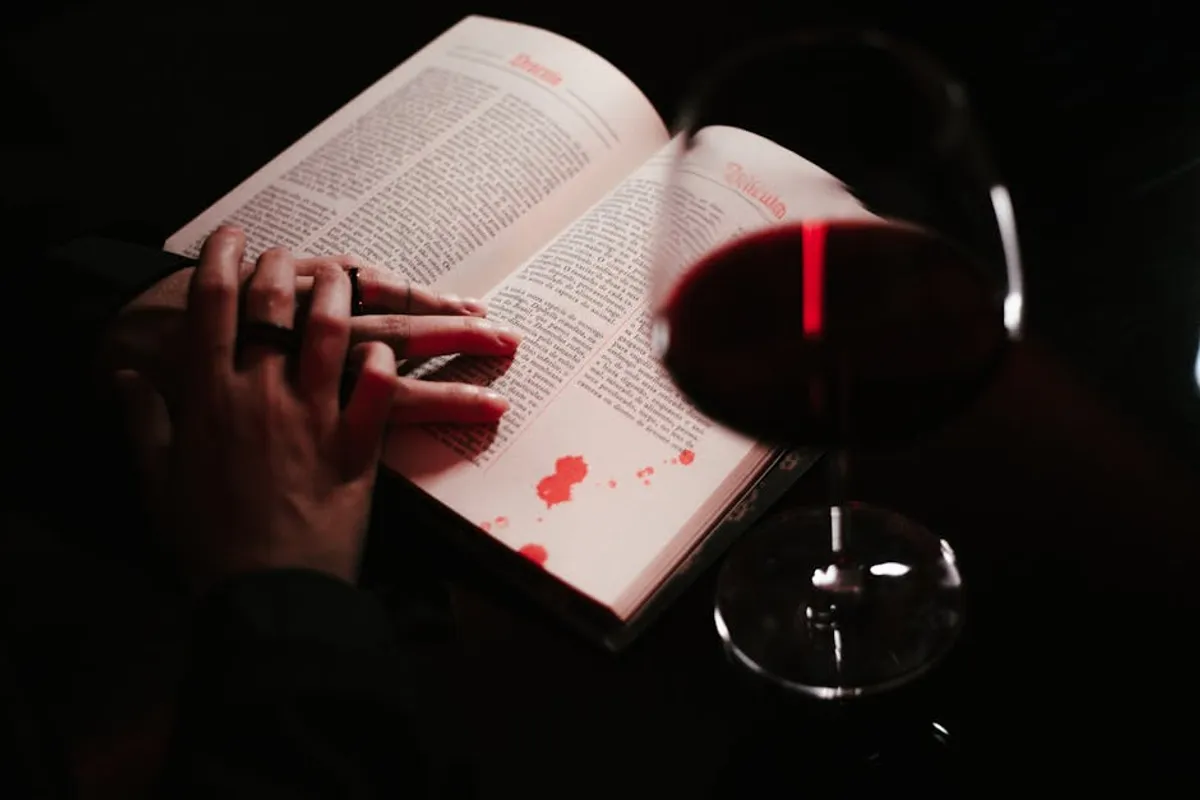
Bram Stoker’s 1897 novel, Dracula, remains a foundational text in gothic horror and a persistent cultural touchstone. Understanding its core narrative, key thematic elements, and enduring lessons offers insights not only into literary history but also into the mechanics of compelling storytelling and the psychology of fear that resonate across centuries. This summary distills the novel's essence, providing a clear framework for its intricate plot and complex ideas, essential for anyone seeking to engage with one of literature's most influential works.
The Narrative Arc: From Transylvania to Whitby
The novel unfolds through an epistolary format, a collection of journal entries, letters, telegrams, and newspaper clippings, constructing a fragmented yet immersive narrative. This structure places the reader in the role of an investigator, piecing together events as they occur.
- Jonathan Harker's Ordeal: The story begins with solicitor Jonathan Harker’s business trip to Count Dracula’s remote castle in Transylvania. Initially captivated, Harker soon becomes a prisoner, witnessing Dracula’s supernatural abilities and his sinister plan to relocate to England. This section establishes Dracula as a formidable, ancient evil.
- Dracula's Arrival in England: Dracula successfully travels to England aboard the schooner Demeter, arriving in Whitby amidst a violent storm. His presence immediately impacts the lives of Lucy Westenra and Mina Murray (Harker’s fiancée), initiating a series of mysterious illnesses and deaths.
- The Pursuit and Confrontation: Dr. Abraham Van Helsing, a Dutch professor and expert in occult matters, is called upon to diagnose Lucy’s deteriorating condition. Recognizing the signs of vampirism, he assembles a team—including Lucy’s suitors Arthur Holmwood and Quincey Morris, and her former physician Dr. John Seward—to hunt Dracula. The narrative shifts to a cat-and-mouse game across London, culminating in a desperate chase back to Transylvania.
- The Climax: The novel concludes with the protagonists cornering Dracula near his castle. Quincey Morris and Jonathan Harker deliver the final blow, destroying the Count and freeing Mina from his vampiric influence. The ending reaffirms the triumph of good over evil, albeit with significant personal cost.
- Sexual Repression vs. Liberation: Dracula’s seductive and predatory nature, particularly towards women, represents a challenge to Victorian sexual norms. The vampiric act is often depicted with erotic undertones, contrasting sharply with the era’s strict moral codes.
- The Invasion of the "Other": Dracula, as an Eastern European aristocrat, embodies fears of foreign invasion and the perceived threat to British purity and order. His ancient, aristocratic lineage and supernatural powers stand in stark opposition to modern, scientific England.
- Science vs. Superstition: Van Helsing, a man of science who also acknowledges the supernatural, bridges the gap between rational thought and ancient folklore. His character highlights the tension between emerging scientific understanding and the lingering power of traditional beliefs.
- Lucy Westenra: The innocent, beautiful victim, transformed into a monstrous seductress by Dracula. Her fate reflects the Victorian fear of female sexuality corrupted and uncontrolled.
- Mina Harker: The intelligent, capable heroine who uses her organizational skills and empathy to aid the vampire hunters. She embodies the ideal Victorian woman—pure, yet possessing intellect and moral strength—making her resistance to Dracula’s influence particularly significant.
Pro Tip: For content creators analyzing classic literature, focus on the narrative's enduring appeal. Dracula's use of an epistolary format, for example, generates suspense and provides multiple perspectives, demonstrating how structural choices can amplify thematic impact and reader engagement. Consider how modern adaptations leverage or subvert these original techniques.
Key Ideas and Thematic Pillars
Dracula is more than a simple horror story; it is a complex exploration of Victorian anxieties and societal shifts.
Victorian Anxieties and the Foreign Threat: The novel directly taps into late 19th-century British fears:
The Nature of Evil and Immortality: Dracula represents an absolute, ancient evil, driven by an insatiable thirst for blood and power. His immortality offers a terrifying alternative to human mortality, raising questions about the cost of eternal life and the corruption it entails.
The Role of Women: The novel presents two contrasting female archetypes:
Enduring Lessons from Dracula
The novel’s lasting impact stems from its ability to explore universal themes through a compelling narrative. For publishers and content strategists, understanding these lessons can inform the creation of evergreen content that resonates deeply with audiences.
The Power of Archetypes: Dracula himself is the definitive vampire archetype, influencing countless portrayals across media. The novel demonstrates how well-defined, powerful archetypes can become culturally pervasive and endlessly adaptable.
Contextual Resonance: Stoker’s genius lay in embedding contemporary fears into a fantastical narrative. The novel serves as a powerful reminder that the most impactful stories often reflect the anxieties and aspirations of their specific time, yet transcend them through universal human experiences.
The Strength of Collective Action: The defeat of Dracula is not the work of a single hero but a diverse group collaborating. This emphasizes the theme of unity and shared purpose in overcoming overwhelming evil.
The Allure of the Forbidden: Dracula’s seductive power, combined with his monstrous nature, highlights humanity’s fascination with the dark, the forbidden, and the transgressive. This duality is a constant source of narrative tension and psychological depth.
Synthesizing Dracula's Legacy
Dracula endures not merely as a horror story but as a rich tapestry of literary and cultural significance. Its narrative structure, character development, and profound thematic explorations continue to captivate readers and inspire creators. By dissecting its key ideas—from Victorian anxieties to the nature of good and evil—we gain a deeper appreciation for its intricate construction and its lasting influence on literature, film, and popular culture. The novel serves as a testament to the power of well-crafted narrative to both entertain and provoke thought, securing its place as an indispensable work in the literary canon.
Frequently Asked Questions
What is the core conflict in Dracula?
The core conflict in Dracula is the battle between ancient, supernatural evil (Count Dracula) and modern, rational humanity, represented by Van Helsing and his team, who must confront and overcome a force that defies their scientific understanding.
How does the epistolary format contribute to the novel's impact?
The epistolary format—comprising journal entries, letters, and newspaper clippings—creates a sense of realism and immediacy, allowing readers to experience events through multiple, often unreliable, perspectives. This structure builds suspense, enhances psychological depth, and makes the supernatural elements feel more credible.
What are the primary themes explored in Dracula?
Key themes include Victorian anxieties about foreign invasion, sexuality, and societal decay; the clash between science and superstition; the nature of good versus evil; and the roles and vulnerabilities of women in society.
Why does Dracula remain so popular today?
Dracula's enduring popularity stems from its creation of the definitive vampire archetype, its exploration of timeless fears and desires, its compelling narrative structure, and its adaptability to various interpretations across different cultural and historical contexts.