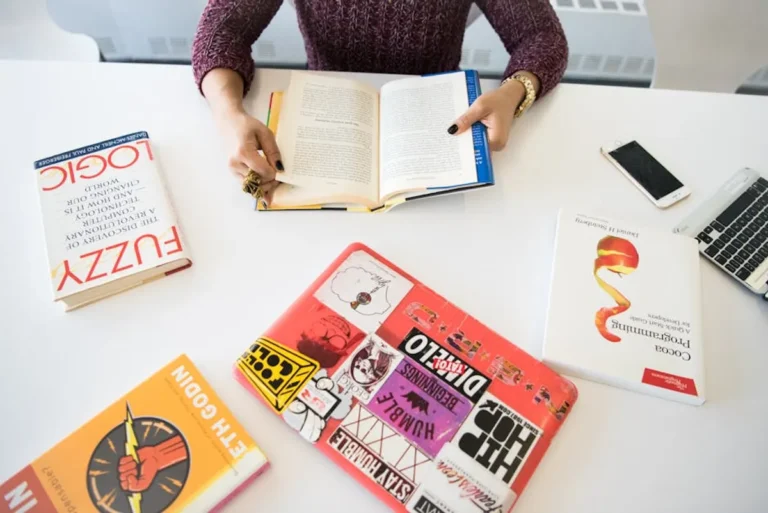
For professionals operating in fast-paced environments, the sheer volume of information vying for attention can feel overwhelming. Staying current with industry trends, competitive landscapes, and emerging technologies is not a luxury, but a necessity for informed decision-making and strategic advantage. However, indiscriminate consumption of content often leads to information overload without commensurate knowledge retention or actionable insights. A structured approach to reading, distilled into a practical checklist, provides the framework to transform passive scrolling into active, purposeful learning, ensuring that time invested in reading yields tangible returns.
Diagnosing Your Current Reading Patterns
Before optimizing, understand your baseline. Most busy professionals read reactively, responding to notifications or urgent emails. A diagnostic phase identifies where time is spent and where inefficiencies lie.
Time Allocation Audit
Track your reading time for one week. Categorize it by source (newsletters, articles, reports, social media feeds) and purpose (work-related, general knowledge, entertainment). Use a simple spreadsheet or time-tracking app. This audit reveals disproportionate time sinks or areas where high-value content is neglected. For instance, if 30% of your reading time is spent on social media feeds yielding minimal professional benefit, that's an immediate area for reallocation.
Content Source Analysis
Evaluate the quality and relevance of your current information streams. Are you subscribed to 20 newsletters, but only consistently read 3? Are the blogs you follow still publishing insightful, data-driven content, or have they become generic? Prioritize sources that consistently deliver high-signal, low-noise information directly applicable to your professional objectives. Unsubscribe from or unfollow those that consistently fall short, as they contribute to cognitive load without offering proportionate value.
Building an Effective Reading Strategy
A strategy transforms reading from a passive activity into a targeted effort, maximizing impact within limited timeframes.
Defining Your Reading Goals
Clarity on *why* you are reading is paramount. Are you seeking competitive intelligence? Deepening expertise in a specific domain? Exploring tangential innovations? Assign specific, measurable goals to your reading. For example, "Read one in-depth analysis of AI's impact on content marketing per week" is more effective than "Stay updated on AI." These goals dictate the type of content you seek and the depth of engagement required.
Curating Your Information Stream
Proactively select your content. Do not rely solely on algorithms or serendipity. Build a personalized feed of high-quality, relevant sources. This involves:
- Industry Publications: Identify 2-3 authoritative journals or online magazines in your core field.
- Expert Blogs/Newsletters: Follow 5-7 individual thought leaders or niche specialists who offer unique perspectives.
- Data/Research Repositories: Bookmark sites for reports, whitepapers, or statistical data relevant to your decision-making.
- Aggregators: Utilize RSS readers or specialized news aggregators (e.g., Feedly, Inoreader) to consolidate feeds and filter noise.
Best for: Reducing information overload and ensuring consistent exposure to high-value content.
Scheduling Dedicated Reading Blocks
Integrate reading into your calendar as a non-negotiable appointment. Even 15-30 minutes of focused reading, scheduled daily or every other day, is more effective than sporadic, distracted sessions. Treat these blocks with the same respect as client meetings. Experiment with different times – early morning, lunch break, or end-of-day – to find when your focus is highest. This routine builds consistency and signals to your brain that this is a time for deep work.
Optimizing Your Reading Environment and Techniques
The how of reading is as important as the what and when.
Minimizing Distractions
A dedicated reading environment enhances focus. Turn off notifications on all devices. Close irrelevant browser tabs. If possible, choose a quiet space. Consider using noise-canceling headphones. Physical books or e-readers designed for reading (e.g., Kindle Paperwhite) can minimize digital distractions inherent to multi-purpose devices like tablets or laptops.
Active Reading Strategies
Passive reading yields low retention. Engage with the material:
- Highlighting/Annotation: Mark key sentences, concepts, or data points. For digital content, use annotation tools.
- Summarization: After reading a section or article, mentally (or physically) summarize the main arguments or takeaways in your own words.
- Questioning: Approach content with specific questions in mind. "How does this impact X?" "What are the counter-arguments?" This primes your brain for critical analysis.
- Connection: Link new information to existing knowledge or current projects. This strengthens memory pathways and facilitates application.
Leveraging Technology
Tools can aid efficiency. Read-it-later apps (e.g., Pocket, Instapaper) allow you to save articles for dedicated reading blocks, preventing immediate distraction. Text-to-speech features can convert articles into audio for consumption during commutes or exercise. Digital note-taking apps (e.g., Evernote, Notion) help organize highlights and summaries for future reference.
Implementing Your Reading Habits Checklist
Integrate these principles into a repeatable process:
- Daily/Weekly Content Scan: Quickly review curated feeds (RSS, newsletters) for priority articles.
- Save to Read-Later: Send high-value articles to your dedicated reading app, avoiding immediate distraction.
- Schedule Reading Block: Dedicate 15-30 minutes daily or 60 minutes every other day to focused reading.
- Active Reading: During your block, highlight, annotate, and summarize key takeaways.
- Capture Insights: Transfer critical information, data points, or actionable ideas to a personal knowledge management system.
- Review & Connect: Periodically revisit captured insights, connecting them to current projects or strategic goals.
- Source Pruning: Quarterly, review your content sources. Unsubscribe from low-value feeds and add new, relevant ones.
Pro Tip: Avoid the "endless scroll" trap. When you encounter an interesting article, resist the urge to click immediately. Instead, save it to a read-later app. This trains your brain to defer gratification and consolidates your reading into intentional, distraction-free sessions, significantly improving comprehension and retention. Your reading block becomes a curated, focused experience, not a reactive chase for the next dopamine hit.
Sustaining and Adapting Your Reading Practice
Effective reading habits are not static; they require continuous refinement. Regularly assess if your chosen sources still align with your evolving professional needs. As your role or industry shifts, so too should your information diet. Experiment with different reading times, environments, and active reading techniques to find what best suits your cognitive style and schedule. The goal is not just to read more, but to read smarter, extracting maximum value from every minute invested in learning.
Frequently Asked Questions
How can I find time to read when my schedule is already full?
Start small. Even 15 minutes of focused reading daily is more effective than sporadic, longer sessions. Integrate reading into existing downtime, such as commutes (audio articles) or waiting for meetings. Schedule it like any other important appointment.
What is the best way to retain what I read?
Active reading strategies are key. Highlight, annotate, summarize in your own words, and connect new information to existing knowledge. Consider teaching or discussing what you've learned with a colleague, as explaining concepts to others significantly boosts retention.
How do I deal with information overload from too many sources?
Curate your information stream rigorously. Unsubscribe from low-value newsletters, unfollow noisy social media accounts, and focus on 2-3 highly authoritative sources in your field. Utilize read-it-later apps to batch content consumption, preventing immediate distraction and allowing for focused review.