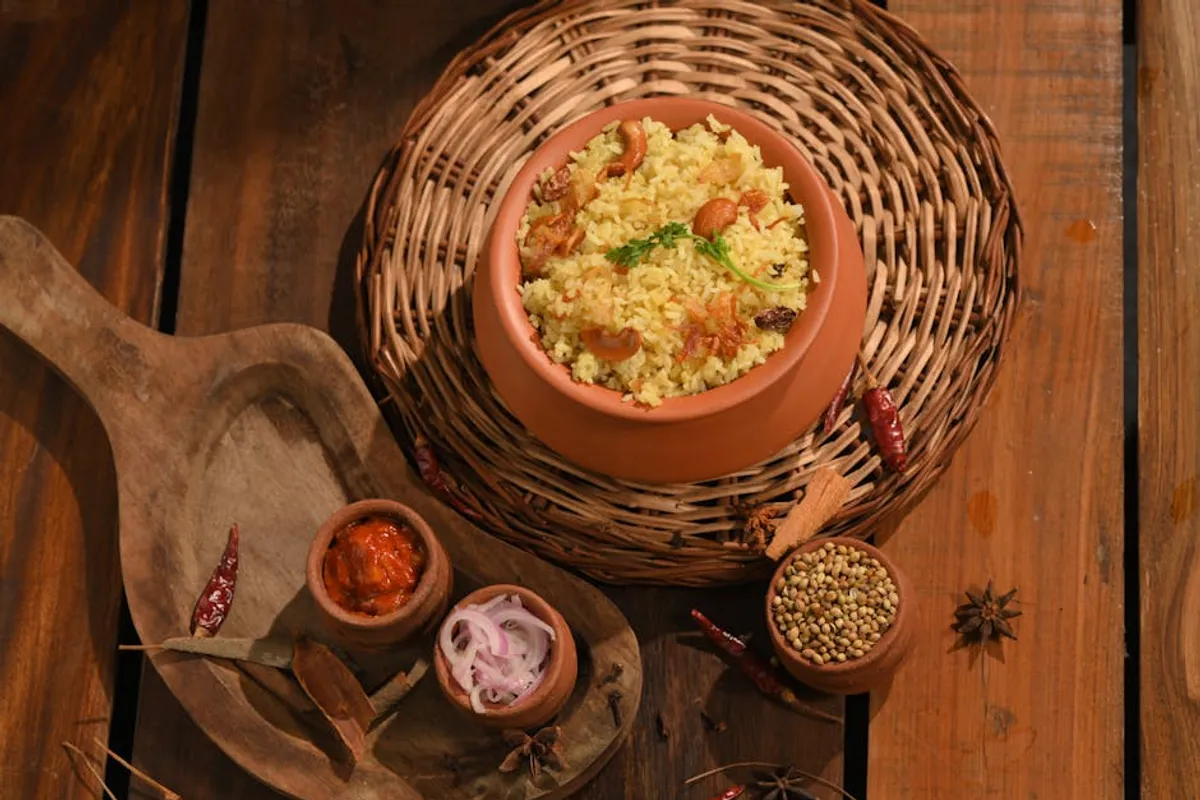
Selecting a biryani can be a nuanced decision, balancing flavor profiles, portion sizes, and budget. For those exploring a menu like "Biryani quotes," understanding the core components and pricing structures is crucial to making an informed choice that aligns with personal preferences and value expectations. This guide clarifies the typical biryani offerings, explains pricing considerations, and suggests approaches for selecting the ideal dish, whether you are a first-time sampler or a seasoned biryani connoisseur.
Navigating the Biryani Quotes Menu
A comprehensive biryani menu typically categorizes dishes by their regional origin, primary protein, and accompanying sides. Recognizing these distinctions helps in identifying the specific flavor profile and preparation style.
Regional Biryani Variations
Biryani's character often derives from its regional heritage, each offering a distinct culinary experience:
- Hyderabadi Biryani: Known for its "dum" cooking method, where marinated meat and partially cooked basmati rice are layered and slow-cooked in a sealed pot. This technique infuses the rice with deep, aromatic flavors from spices like saffron, cardamom, and cinnamon, often resulting in a spicier profile.
- Lucknowi (Awadhi) Biryani: Characterized by its delicate, fragrant, and less spicy nature. The meat is often cooked separately in a rich gravy (yakhni) before being layered with rice, producing a milder, more subtly spiced dish with tender meat.
- Kolkata Biryani: Distinguishes itself by the inclusion of aloo (potato) and sometimes a boiled egg, along with succulent meat. It uses a lighter hand with spices compared to its Hyderabadi counterpart, often featuring a hint of sweetness and a distinct aroma from kewra water.
- Malabar Biryani: Originating from Kerala, this variant uses a specific short-grain rice called Kaima or Jeerakasala, and a unique blend of local spices, often featuring green chili, ginger, and garlic paste, giving it a distinct, savory, and moderately spicy taste.
Protein Selections
The choice of protein significantly impacts the biryani's texture and overall richness:
- Chicken Biryani: A widely popular choice, often featuring bone-in chicken pieces that impart flavor during slow cooking. It tends to be a more accessible entry point for new customers due to its familiar taste and relatively quicker cooking time.
- Mutton Biryani: Considered a classic, using tender cuts of lamb or goat. The meat requires longer marination and cooking, resulting in a deeper, more robust flavor and a melt-in-the-mouth texture. This option often commands a higher price point due to the cost and preparation time of the meat.
- Vegetable Biryani: A flavorful alternative prepared with a medley of seasonal vegetables such as carrots, peas, beans, and potatoes. It focuses on aromatic spices and sometimes paneer (Indian cheese) to provide substance and richness.
- Paneer Biryani: Specifically features cubes of paneer, marinated and cooked with rice and spices. It offers a creamy texture and absorbs flavors well, making it a popular choice for vegetarians seeking a richer option.
- Egg Biryani: Often includes hard-boiled eggs, either whole or halved, cooked with the spiced rice. It serves as a simple yet satisfying protein option.
Accompaniments and Sides
Biryani is rarely served alone. Essential accompaniments enhance the meal and balance the rich flavors:
- Raita: A cooling yogurt-based side dish, often mixed with cucumber, onion, or boondi (fried chickpea flour balls), seasoned with roasted cumin and salt. It provides a refreshing contrast to the biryani's spices.
- Salan: A rich, spicy, and tangy gravy, typically made with peanuts, sesame seeds, coconut, and green chilies. Mirchi ka Salan (chili salan) is a common variant, served alongside Hyderabadi biryani.
- Papad/Papadum: Thin, crispy lentil wafers, often fried or roasted, offering a textural crunch.
Understanding Biryani Quotes Pricing Structure
Biryani pricing reflects ingredient quality, preparation complexity, portion size, and the establishment's overhead. Customers should assess these factors when evaluating value.
Portion Sizes and Value Combos
Menus usually offer various portion sizes, from single servings to family packs. A single portion is designed for one person, while larger options like half-kilogram or one-kilogram packs cater to groups, often providing a lower per-serving cost. Value combos, which pair biryani with a drink, raita, or a side dish, can offer savings compared to purchasing items individually.
Ingredient Quality and Sourcing
The cost of premium ingredients directly influences the final price. High-quality basmati rice, specific cuts of fresh meat, pure ghee (clarified butter), and authentic saffron are more expensive than their substitutes. Establishments using superior ingredients often reflect this in their pricing, promising a more authentic and richer flavor profile.
Premium Add-ons
Optional additions like extra meat, a boiled egg, or specialized garnishes (e.g., fried onions, cashews) can increase the total cost. While these enhance the dish, they are typically priced à la carte.
Pro Tip: Always inquire about the specific type of rice and meat used. Premium long-grain basmati and fresh, well-marbled cuts of meat are indicators of a higher-quality biryani, justifying a potentially higher price point. If a menu doesn't specify, a quick question can clarify the value proposition.
Making Your Selection: What to Try at Biryani Quotes
Choosing the right biryani depends on individual taste preferences and tolerance for spice.
For First-Timers
Recommendation: Chicken Biryani, particularly a Lucknowi or Kolkata style. These variants are generally milder and less intimidating than the spicier Hyderabadi versions. The familiar taste of chicken and the balanced spice profile make them an accessible introduction to biryani. Pair with a simple raita to cool the palate.
For Spicy Food Enthusiasts
Recommendation: Hyderabadi Mutton Biryani. This option delivers a robust flavor profile with a significant spice kick, characteristic of the "kacchi gosht" (raw meat) dum cooking method. The tender mutton and aromatic, chili-infused rice provide a deeply satisfying experience. Consider ordering a side of Mirchi ka Salan for an extra layer of heat and complexity.
For Vegetarian and Vegan Diners
Recommendation: Vegetable Biryani or Paneer Biryani. A well-executed vegetable biryani offers a rich blend of spices and textures from various vegetables, often cooked with fragrant basmati rice. For those seeking a heartier option, Paneer Biryani provides a creamy texture and substantial protein. Vegans should confirm the absence of ghee and paneer; many establishments can prepare a vegan-friendly version using oil.
Optimizing Your Biryani Order
Before finalizing your order, consider the following points to ensure satisfaction:
- Spice Level: If not explicitly stated, ask about the typical spice level. Many establishments can adjust it to your preference.
- Portion Size: Estimate how much you and your companions will eat. It's often more economical to order a larger shared portion than multiple small ones.
- Dietary Restrictions: Communicate any allergies or dietary needs (e.g., gluten-free, dairy-free) to ensure the dish is prepared appropriately.
- Accompaniments: Decide if you need extra raita or salan, as these can significantly enhance the meal.
Frequently Asked Questions
What is the difference between biryani and pulao?
Biryani involves layering marinated meat/vegetables and partially cooked rice, then slow-cooking them together (dum cooking), resulting in distinct flavors in each grain of rice. Pulao typically cooks rice and ingredients together in a single pot, leading to a more uniform flavor throughout the dish.
Can biryani be reheated?
Yes, biryani reheats well. For best results, sprinkle a little water over it, cover the container, and reheat gently in a microwave or on a stovetop over low heat until warmed through. This helps retain moisture and flavor.
Is biryani a complete meal on its own?
Biryani is generally considered a complete meal due to its combination of rice, meat/vegetables, and spices. However, many people enjoy it with sides like raita or salan to complement and balance the rich flavors.
What is the significance of "dum" cooking in biryani?
"Dum" cooking is a slow-cooking method where the biryani pot is sealed to trap steam and flavors. This technique allows the ingredients to cook evenly in their own juices, infusing the rice with deep aromas and making the meat exceptionally tender.