Navigating the world of Pilsner beer involves understanding distinct styles, flavor profiles, and pricing tiers to make informed choices. This guide details the core characteristics of prominent Pilsner brands, offering a framework for selecting options that align with specific preferences and occasions. From classic European interpretations to modern craft variations, discerning the nuances of each can enhance the drinking experience and ensure commercial viability for retailers and hospitality venues.
Understanding Pilsner Beer Styles
Pilsner is a type of pale lager, originating in the city of Plzeň (Pilsen) in Bohemia, now part of the Czech Republic, in 1842. Its defining characteristics include a clear, golden appearance, a crisp and refreshing taste, and a pronounced hop aroma and bitterness, balanced by a clean malt profile. The style is fermented with bottom-fermenting yeast at cooler temperatures, followed by a period of lagering (cold storage), which contributes to its signature smoothness and clarity. While the foundational elements remain, regional interpretations have evolved into distinct sub-styles.
Bohemian (Czech) Pilsner
The original Pilsner style, exemplified by Pilsner Urquell, is characterized by its soft water, which allows the Saaz hops to express a floral, spicy aroma without harshness. These beers often feature a richer, more complex malt backbone, contributing a slightly sweeter, bread-like character that balances the hop bitterness. The body is typically medium, and the finish is clean but with a lingering, pleasant hop note.
Key characteristics: Softer hop bitterness, richer malt presence, floral Saaz hop aroma, medium body.
German Pilsner (Pils)
German Pilsners emerged as brewers in Germany adopted the Pilsner method, adapting it to their local water profiles and hop varietals, primarily noble German hops like Hallertau, Tettnang, and Spalt. These versions tend to be drier, crisper, and often feature a more assertive hop bitterness in the finish compared to their Bohemian counterparts. The malt character is typically subdued, allowing the hops to take center stage. They present a brighter, often more effervescent profile.
Key characteristics: Drier finish, more pronounced hop bitterness, brighter appearance, lighter body.
Craft Pilsners and American Interpretations
The craft beer movement has embraced Pilsner, leading to numerous interpretations globally. Craft brewers often experiment with different hop varieties, including American and New World hops, to introduce citrus, pine, or tropical notes while maintaining the crisp, clean lager character. Some American mass-market lagers are distant descendants of the Pilsner style, often incorporating adjuncts like rice or corn to achieve a lighter body and milder flavor profile, distinguishing them significantly from traditional European Pilsners. However, dedicated craft American Pilsners often aim for fidelity to the German or Czech styles, sometimes with a modern hop twist.
Selecting Pilsner Brands: A Guide to What to Try
When choosing a Pilsner, consider the balance of malt sweetness and hop bitterness, as well as the specific hop aromatics. The following brands represent key examples across the style spectrum.
- Pilsner Urquell (Czech Republic): The original. Expect a rich, bready malt character with a distinctive caramel note, balanced by spicy, floral Saaz hops. It offers a rounder mouthfeel and a satisfying, lingering finish.
Best for: Experiencing the historical benchmark of the style, pairing with roasted meats or hearty European cuisine. - Bitburger Premium Pils (Germany): A quintessential German Pils. Known for its bright, pale gold color and a clean, dry, and distinctly bitter profile. The hop character is assertive but refined, leading to a crisp finish.
Best for: Those who prefer a drier, more hop-forward Pilsner, excellent with grilled chicken or lighter fare. - Warsteiner Premium Verum (Germany): Another prominent German Pils, often described as elegant and balanced. It features a softer bitterness than some German counterparts, with subtle malt sweetness and a clean, refreshing finish.
Best for: A versatile, approachable German Pilsner suitable for a wide range of palates and social occasions. - Grolsch Premium Lager (Netherlands): While often categorized as a lager, Grolsch exhibits many Pilsner characteristics, particularly its clean, crisp profile and noble hop presence. It offers a slightly fruitier note alongside a firm bitterness.
Best for: A reliable, widely available option that bridges the gap between classic Pilsner and broader lager styles. - Victory Prima Pils (USA): A craft American interpretation that leans heavily into the German Pils tradition. It's renowned for its robust hop aroma and intense bitterness from German hops, balanced by a clean malt base.
Best for: Craft beer enthusiasts seeking an assertive, hop-forward Pilsner with significant aromatic complexity. - Firestone Walker Pivo Pils (USA): Another highly regarded craft American Pilsner. It incorporates German Saphir hops, lending a unique floral and citrus zest character while maintaining a crisp, dry profile.
Best for: Exploring modern craft Pilsners that showcase nuanced hop profiles within a traditional structure.
Pilsner Menu and Pairing Considerations
The crisp, clean nature of Pilsners makes them exceptionally food-friendly. Their carbonation and hop bitterness can cut through rich flavors, while their moderate alcohol content prevents palate fatigue.
Ideal Pairings:
- Light Appetizers: Pretzels, salads with vinaigrette, seafood (shrimp cocktail, ceviche).
- Main Courses: Grilled chicken, pork schnitzel, bratwurst, pizza, fish and chips. The crispness of a German Pils cuts through the fat in fried foods effectively.
- Spicy Dishes: Thai curries, Mexican cuisine, or Indian dishes benefit from the refreshing quality of a Pilsner, which can temper heat without overwhelming delicate spices.
- Cheeses: Lighter, semi-hard cheeses like Gruyère or Edam, or fresh goat cheese.
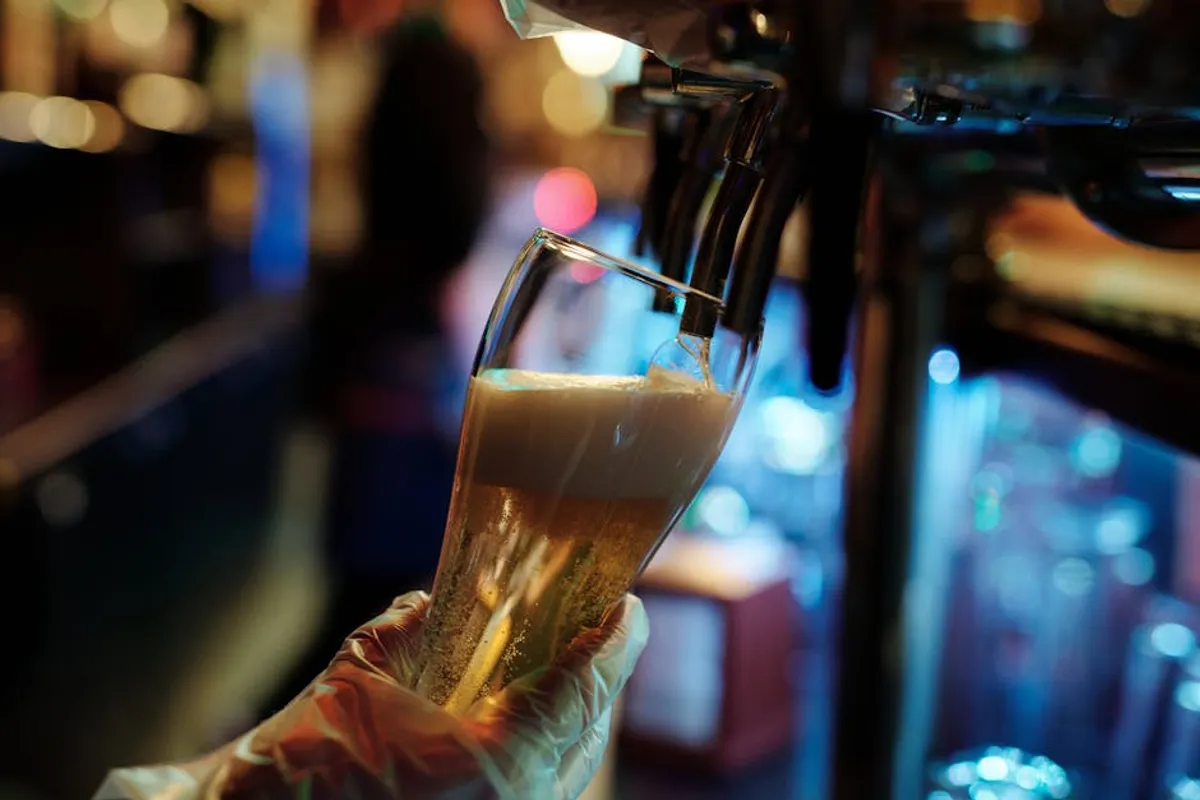
Serving Temperature and Glassware: Serve Pilsners chilled, typically between 40-45°F (4-7°C), to highlight their crispness and hop aromatics. A tall, slender Pilsner glass is ideal, as it showcases the beer's golden color, promotes head retention, and concentrates the hop aromas towards the nose.
Pro Tip: Freshness is paramount for Pilsners. The delicate hop aromas and clean malt profile can degrade quickly with exposure to light and heat. Always check the "bottled on" or "best by" date, and prioritize brands that use dark bottles or cans to protect against light strike.
Pilsner Pricing: What to Expect
Pilsner pricing varies based on origin, brand reputation, and production scale. Mass-market domestic Pilsner-style lagers are typically the most economical, often ranging from $7-12 for a six-pack. Imported European Pilsners, due to shipping and import duties, generally fall into a mid-range of $10-16 per six-pack. Craft Pilsners, whether domestic or imported, often command higher prices, from $12-20 or more for a six-pack, reflecting premium ingredients, smaller batch production, and specialized brewing techniques. Factors like packaging (cans vs. bottles, larger formats) also influence the final retail price.
Making Your Pilsner Selection
Choosing a Pilsner involves weighing personal taste against the occasion and budget. For a classic, malt-forward experience, a Bohemian Pilsner is the definitive choice. If a drier, more hop-bitter profile is preferred, German Pilsners offer crisp refreshment. For those seeking innovative hop expressions within the style, craft Pilsners provide a broad spectrum of options. Consider the food you'll be pairing it with, the social setting, and the desired level of hop intensity. Exploring different brands within each sub-style can quickly reveal individual preferences and expand appreciation for this foundational beer type.
Frequently Asked Questions
What is the main difference between a Pilsner and a Lager?
Pilsner is a specific style of lager. All Pilsners are lagers, but not all lagers are Pilsners. Lagers encompass a broad category of beers fermented with bottom-fermenting yeast at cooler temperatures, while Pilsners are characterized by their pale color, crispness, and pronounced hop character.
Are Pilsners always light in color?
Yes, traditional Pilsners are known for their clear, golden, or straw-yellow color. This visual characteristic is a hallmark of the style, derived from the use of pale malts.
Can Pilsners be aged?
Pilsners are generally not intended for aging. Their delicate hop aromas and crisp, refreshing qualities are best enjoyed fresh. Aging can lead to a degradation of hop character and an overall dulling of the flavor profile.
What makes a Pilsner "crisp"?
The "crispness" of a Pilsner comes from several factors: the use of bottom-fermenting yeast, which produces a very clean fermentation profile; the lagering process, which smooths out the beer; high carbonation; and a pronounced hop bitterness that cleanses the palate.